
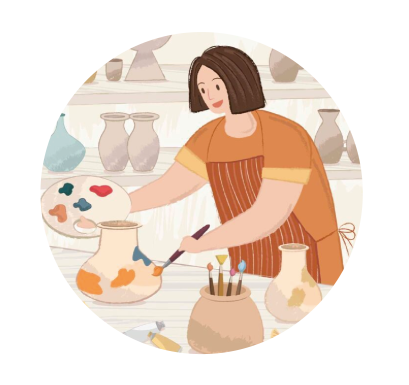
Paint Your Own Pottery: Beginner’s Guide
There’s something quietly refreshing about taking a couple of hours out of a London week to sit down with a blank ceramic piece and a table full of colours. Painting your own pottery workshops have become very popular in the city in a very brief period, not only due to the fact that it is a refreshing screen-free activity, but also in the fact that one does not need a background in arts in order to enjoy the workshop. You enter, select an item, and grab a brush, and before long, you get lost in a self-centered and relaxed activity that is both artistic and stress-free.
To most individuals, it is a little ritual – a birthday outing, date night, or a weekend plan with children. Most of the visitors in the Battersea and Royal Wharf studios are beginners, so the setting is configured in a manner that does not intimidate a visitor once he or she has reached the premises. It provides all the necessary resources, instructions, design tools, a room that can be likened to a cosy cafe, and a creative workshop.
This is the guide to it all before you make a booking with us, including which type of ceramic shape to choose and the point of collecting your finished piece once it has been fired. You want to know what paint your own pottery London alternatives are available, or you want to visit a place that has options for families and corporate teams, and small groups of friends, this cover will guide your visit planning.
Why “Paint Your Own Pottery” Works So Well for First-Timers
One of the biggest misconceptions is that you need to know how to paint. You don’t. The studios around London – including Battersea and Royal Wharf – are designed for people who want a low-pressure, creative experience without needing to learn pottery-making from scratch. The blank pieces (called “bisque”) are pre-made, so your focus is simply on decorating them in a way that feels enjoyable.
The atmosphere is a huge part of why newcomers feel relaxed. It doesn’t feel formal or structured. Instead, the space has the warmth of a small café mixed with the quiet focus of a studio. You pick your own colours, paint at your own pace, chat if you want to, and walk out with something that feels personal. Some people come for the calm, others for the joy of making gifts-mugs, plates, and small bowls often leave as birthday presents or date-night mementos.
The activity is effective for families since younger children will have an opportunity to paint whatever they wish, with adults having an opportunity to create more detailed paintings. In the case of the older generations, such as couples or friends who meet up, the experience also serves as a substitute for the traditional visit to the cafe in London.
Choosing Your Ceramic: What to Pick and Why
Both stores are stocked with a large variety of shapes, and the selection of one is an enjoyable part of the session. You may feel confused when picking one for the first time, and thus these are brief guidelines to help you:
For beginners
Mugs, cereal bowls, and side plates are ideal. They have smooth shapes and plenty of surface for simple designs. They’re also practical – which means you’ll actually use them later.
For children or family sessions
There are animal figurines, themed shapes, and seasonal items (such as stars, pumpkins, or baubles). Children will like works that they are familiar with and can adorn as they like.
For people who enjoy detail
Vases, serving platters, and rounded jars offer more space for patterns or lettering. These take slightly more time but are satisfying to work on.
For quick sessions
Flat shapes, such as plates, are easiest because they dry faster and require less layering. The best way to explore options beforehand is through the studio’s DIY Session page, where the Battersea team shares examples of what’s available. Royal Wharf’s DIY Session selection works similarly, though stock occasionally varies between the two locations.
Easy Techniques Anyone Can Try
Even if you’re not confident with drawing, several painting methods require almost no skill and still look impressive after firing. Many regular visitors use these techniques because they’re reliable and quick to learn.
Tape Resist
It is among the simplest methods of producing clean and geometric patterns. Tape your work in strips or triangles or any pattern that you desire to the stick painter. Paint over the taped parts, allow to dry for several minutes, and peel off the tape carefully to expose sharp outlines. It is a favourite amongst beginners since it always appears neat after being glazed.
Dotting
The simplest dotted pattern is made by using the tip of the brush or a dotting tool that makes a pattern that forms a flower, a border, or a star-like pattern. It’s impossible to “mess up.” Dotting also works well for date night pottery pieces, where each person contributes a section.
Sponging
Small sponges moistened with some paint will produce soft, cloud-like backgrounds. It is ideal for kids or those who wish to paint big spaces without using a brush.
Stencils
Our studios supply alphabet and shape stencils. You place them on the bisque, dab or brush over them, and lift them off to reveal a clean outline. This is often used for names, initials, and short phrases.
Simple Lettering
If you’re personalising something, you can sketch lightly with a pencil first. The pencil burns off in the kiln, so only the paint remains. A steady hand is helpful for lettering, but even basic handwriting style looks charming once glazed.
The key is not to overthink your piece. Most people underestimate how good the final result looks after the studio team adds glaze and fires it.
Planning Your Session: Booking and Practical Tips
Due to the widespread popularity of paint-your-own-pottery sessions, it’s now become a regular weekend activity across West and East London, so it’s best to book in advance, especially at the Battersea studio, which gets particularly busy on Saturdays and after-school hours. You can check real-time availability on the studio’s Booking page.
While the studio doesn’t host themed workshops, you will find seasonal pottery bisques throughout the year. These include designs for Christmas, Halloween, and Easter, along with shapes suitable for birthdays or anniversaries. Guests often choose festive items like Christmas baubles or create personalised pieces for special occasions.
A few things to plan for:
Time Required
Most sessions are designed to run for around 1.5 hours, which is usually plenty of time for beginners to finish a piece comfortably. If you’re working on something more detailed and feel you need a little longer, the studio can extend your session when possible. Extra time is available in 30-minute blocks, with a small £5 extension fee, simply to cover the additional studio use. Many guests choose to add a little extra time during quieter hours, especially when working on larger pieces or intricate designs.
Peak Times
Weekends and holidays fill quickly, so weekday sessions can be a quieter option.
Group Sizes
Couples, families, and small groups of friends are comfortable at conventional tables. Greater numbers – particularly those found in the workplace need to book under the Bon Party – Corporate Group Events option to enable employees to book proper space.
Accessibility
Both Battersea and Royal Wharf studios are accessible, but letting the team know about prams, wheelchairs, or any extra space needed helps them arrange seating smoothly.
Walk-ins
Possible at certain times, but not guaranteed. Booking is always recommended for groups.
Families, Birthdays & Corporate Visits
The studios welcome visitors of all ages, so families often use pottery painting as an afternoon activity – particularly on weekends. Children enjoy the freedom of choosing bright colours, while adults often work on something more subtle.
For birthday celebrations or group gatherings, the Bon Party option is designed to keep things straightforward. You select an outing date, invite members, and each takes a ceramic of your partying choice. The crew assists in the preparation and cleanup afterwards, which is a low-effort method of organising an event.
Corporate teams are increasingly booking pottery as an alternative to the usual dinners and quizzes. It works well for team-building because it doesn’t require skill or competition. The Bon Party – Corporate Group Events page outlines what’s included – from dedicated tables to timing options and custom requests like colour themes.
Costs and What’s Included
Pricing is based on the ceramic piece you choose. There is no separate studio fee. The listed price includes:
- the ceramic item
- paints
- brushes and tools
- glazing
- firing in the kiln
The lower part of the price range is occupied by smaller objects like coasters or trinket dishes. Sensible, comfortable mugs, plates, and bowls fall in the mid-range category, and larger decorative styles are more expensive because they occupy more space and require more equipment. The Price page provides a breakdown of the price in full detail.
Most visitors spend around one to two hours painting, regardless of the item.
Collection, Firing & Care
Once your piece is painted, the studio takes over. The glazing and firing process takes around two weeks on average. During peak seasons like Christmas, it can extend slightly, but the team will inform you when to collect your item. You can come anytime during opening hours within the collection window.
When you have no idea how to care about your finished work, the staff of the studio will inform you in which way glazing influences the durability and what you can do to make your colours bright after some time. Although most pieces can be washed in the dishwasher, they must be washed by hand in order to preserve the finish.
Frequently Asked Questions
Can I personalise my pottery?
Yes. Names, dates, initials, and simple lettering are all possible, and staff can give tips if it’s your first time.
Can we bring food or drinks?
Yes. Guests are welcome to bring their own snacks and drinks. The studio applies a small £5 per-person fee for external food and beverages, which helps cover setup and cleaning.
How long does firing take?
Firing and glazing typically take around two weeks. During peak periods, it may extend slightly, but the studio will confirm your collection window at the time of your visit.
Is there an age minimum?
Children of most ages can join, though younger kids may need help handling paints and brushes.
Ready to Paint Your Own Pottery?
In case you have been considering trying it, the simplest method to do that is to book a session. You can browse pieces through the DIY Pottery Painting Session page, check availability on the Booking – Battersea page, or explore the Booking – Royal Wharf page if you’re closer to East London. Whether you’re planning a date night, a birthday gathering, or simply wanting a quiet, creative break, the studios make it easy to settle in and enjoy a couple of hours of calm.
You leave with a handmade piece – and a small moment of stillness in a busy city.
